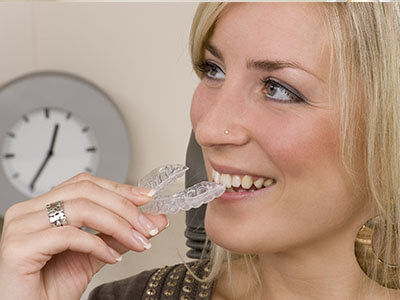
Invisalign® for Teens

Invisalign® offers a contemporary approach to straightening teeth that blends subtlety with predictability. Rather than relying on visible brackets and wires, this system uses a sequence of clear, removable aligners designed to shift teeth gradually. For many patients, that means fewer interruptions to daily routines and a treatment experience that feels more private and flexible than traditional orthodontics.

Invisalign® for Teens

Invisalign® for Brides

Invisalign® for Travelers

Before & After Photos
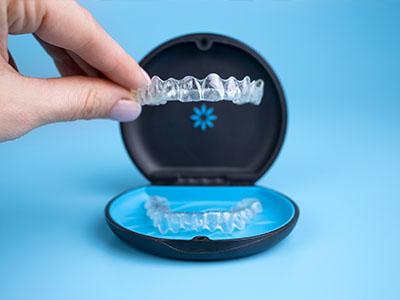
Invisalign® Videos
FAQs

Invisalign® vs Braces

Invisalign® vs Direct-To-Consumer Aligners

Is Invisalign® Right For Me?

Invisalign® Costs
One of the most appealing aspects of Invisalign® is how it fits into real life. The aligners are made from thin, clear material that is difficult to notice in everyday conversation or photos. Because they can be removed for eating and oral hygiene, patients often find it easier to maintain their normal habits—no food restrictions and no special cleaning tools are required beyond regular brushing and flossing.
Beyond aesthetics, the removable design supports excellent oral health during treatment. With traditional braces, cleaning around brackets and wires can be challenging; clear aligners allow patients to keep a consistent routine for plaque control and gum health. For those who prioritize both appearance and oral care, this balance is a practical advantage.
Importantly, Invisalign® is tailored to each individual. Aligners are produced as a planned series, with each set engineered to move teeth incrementally toward the targeted outcome. That combination of discretion and personalization makes this option attractive for adults, older teens, and anyone seeking a less conspicuous path to a straighter smile.
Modern aligner therapy begins with detailed digital diagnostics. Using 3-D imaging and intraoral scanning, your dentist captures a complete picture of your teeth and bite. These digital records remove much of the guesswork from treatment planning and provide the basis for a predicted movement sequence that can be reviewed before aligners are fabricated.
Those scans are not only more comfortable than traditional impressions for many patients; they also enable a visual preview of projected results. Seeing a mapped treatment path helps you understand the stages of care and the role each aligner plays in reaching your goals. The clarity of that plan supports confident decision-making alongside your dental provider.
This technology also enhances communication between the dental team and the laboratory that produces the aligners. The result is a precise, repeatable workflow that improves fit and reduces surprises during treatment. When paired with experienced clinical oversight, the digital process helps deliver predictable, consistent outcomes.
The typical Invisalign® journey begins with a consultation and oral exam to determine whether aligner therapy is appropriate for your needs. During this visit, your provider evaluates tooth alignment, bite relationships, and overall oral health to establish candidacy and outline expectations. If treatment is recommended, the next step is a comprehensive digital scan to capture your current bite.
From that data, a customized treatment plan is developed that sequences tooth movements across multiple aligner sets. You will receive instructions on wear time—usually most of the day and night—and guidance on when to switch to the next aligner in the series. Regular check-ins with your dental team help monitor progress and make any necessary adjustments to the plan.
Once the active phase is complete, retention is the next priority. Your dentist will recommend a retention strategy that preserves the new alignment and minimizes the risk of relapse. This long-term step is an essential part of achieving lasting results and should be treated with as much attention as the active realignment phase.
Comfort is a practical consideration for every patient. Aligners are crafted from smooth, medical-grade material and are designed to minimize irritation. Initial discomfort when switching to a new aligner is normal and typically short-lived; most people describe it as a gentle pressure rather than sharp pain. That steady, controlled force is what enables tooth movement without aggressive adjustments.
Because aligners are removable, maintaining oral hygiene is straightforward. Patients simply remove the aligner to brush and floss, which helps reduce the risk of staining and gum inflammation compared with fixed appliances. Aligners themselves should be rinsed and cleaned regularly according to your dentist’s instructions to keep them clear and odor-free.
Compliance plays a central role in treatment success. Wearing aligners for the recommended daily timeframe and following your dentist’s guidance on replacements and care establishes the conditions needed for planned tooth movement. With consistent wear and routine dental oversight, aligner therapy can be an efficient and manageable experience.
Effective aligner treatment depends on a skilled clinician who can interpret diagnostics, design an individualized plan, and supervise progress. Your dental provider evaluates not only tooth alignment but also functional concerns—how teeth meet, jaw movements, and overall oral health. That clinical context informs decisions about attachments, staging, and retention to support a stable, healthy outcome.
At the office of Dr. Ken Kloess, we combine modern techniques with patient-focused care to guide each case from initial consultation through retention. Regular follow-up visits allow us to confirm that the plan is unfolding as intended and to address any clinical questions that arise. Ongoing communication ensures you stay informed and comfortable throughout treatment.
When aligning teeth, a measured approach balances esthetics and function. Your provider’s experience plays a key role in anticipating common challenges and selecting solutions that protect long-term oral health. Working closely with an attentive dental team helps transform a treatment plan into a successful, lasting result.
Invisalign® clear aligners are designed to integrate smoothly into modern lives—offering discretion, predictability, and practicality for many types of alignment concerns. If you’re curious whether aligner therapy is a suitable option, contact our office for more information and to arrange a consultation with our team. We’ll be happy to discuss how Invisalign® might fit with your goals and answer any questions you have.
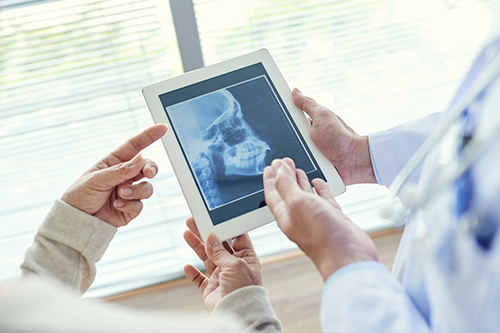
During your first visit, we assess alignment, bite harmony, and oral health to create a tailored treatment pathway. This planning stage clarifies objectives and establishes realistic expectations for timing and outcomes.
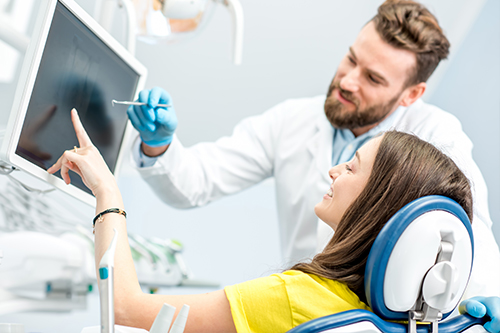
Fast, precise digital scanning captures the details needed for custom aligners. These scans allow for a visual preview of the expected progression, helping patients understand each phase before treatment begins.
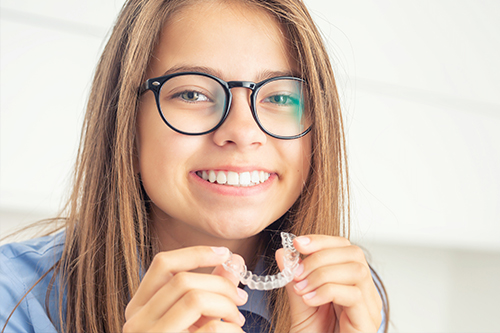
Each aligner is manufactured to match your treatment specifications and is shaped to minimize irritation. Comfort-focused design helps patients maintain consistent wear, which supports efficient progress.

From the first set of aligners to the retention phase, clinical supervision ensures the plan stays on track. Routine check-ins provide reassurance and allow timely adjustments if they become necessary.
Explore the true stories and journeys of several Invisalign® patients
*Invisalign® is a registered trademark of Align Technology, Inc.
Invisalign® is a clear aligner system that moves teeth through a planned sequence of custom-made trays. Each aligner applies controlled forces to shift teeth incrementally, and patients switch sets at prescribed intervals to continue progress. The trays are removable and made from thin, transparent material that is discreet in everyday conversation and photos.
Before fabrication, a digital treatment plan maps the anticipated tooth movements so patients and clinicians can review the projected outcome. That staged approach allows for predictable, gradual alignment without the use of brackets and wires. Regular clinical oversight helps ensure the sequence performs as planned and adjustments can be made if needed.
Invisalign® can address a wide range of alignment concerns, including mild to moderate crowding and spacing as well as certain bite irregularities. Ideal candidates have good oral health with no untreated decay or active gum disease, because those conditions can affect tooth movement and overall results. A clinical exam and digital scan are used to determine whether aligner therapy is appropriate for an individual case.
Age alone is not the deciding factor; adults and many teens can be suitable candidates when they can follow prescribed wear protocols. More complex skeletal or severe bite issues may require traditional orthodontics or combined treatments, which your dental provider can explain. A personalized consultation clarifies the best approach based on both esthetic goals and functional needs.
Digital scanning captures a precise three-dimensional record of teeth and bite without the need for traditional impression material, making the process more comfortable for many patients. These high-resolution scans provide accurate data for the laboratory to fabricate each aligner and reduce the likelihood of fit problems. The digital model also allows patients and clinicians to preview the planned progression and expected outcome before aligners are made.
Digital records streamline communication between the dental team and the aligner manufacturer, enabling adjustments to the plan before fabrication when necessary. This workflow improves predictability and helps avoid surprises during treatment. Overall, scanning technology supports a reproducible, controlled process compared with older manual methods.
The process begins with a consultation and comprehensive oral exam to evaluate alignment, bite relationships, and overall dental health. If aligner therapy is recommended, a digital scan is taken and a customized treatment plan sequences the required movements across multiple aligners. You will receive guidance on recommended daily wear time, replacement intervals, and the schedule for follow-up visits to monitor progress.
During active treatment you will switch to new aligners as directed and attend brief check-ins so the dental team can confirm that movements are occurring as planned. Occasional refinements or attachments may be used to address specific movements or to improve efficiency. Open communication with your provider helps manage expectations and allows timely adjustments when needed.
Rinse aligners with cool water each time you remove them and brush them gently with a soft toothbrush to remove plaque and debris. Avoid hot water, which can warp the plastic, and do not use abrasive toothpaste or household cleaners that can scratch or cloud the material. Regular cleaning preserves clarity, reduces odor, and helps maintain a hygienic environment for your teeth and gums.
Maintain your normal brushing and flossing routine before replacing aligners to minimize trapped bacteria and staining. Your dental team will provide specific instructions for any recommended cleaning solutions or travel cases to protect aligners when they are out of your mouth. Consistent care supports proper fit and contributes to healthy gum tissue throughout treatment.
Aligners are made from smooth, medical-grade material designed to minimize soft-tissue irritation compared with brackets and wires. It is common to feel mild pressure or soreness when starting treatment or switching to a new set of aligners, and this sensation usually subsides within a few days as teeth begin to move. Most people describe the feeling as a gentle pressure rather than sharp pain.
If an aligner causes persistent rubbing or a sore spot, adjustments such as smoothing or minor reshaping by your dental provider can often resolve the issue. Over-the-counter pain relievers are effective for brief discomfort if needed, but persistent or severe pain should be evaluated promptly. Routine follow-up visits help identify and address comfort concerns early in the process.
Compliance is essential because aligners must be worn for the recommended daily period—usually most of the day and night—to achieve planned tooth movements. Inconsistent wear or skipping aligner time can slow progress, necessitate additional refinements, or compromise the final outcome. Success depends on following wear schedules, replacing aligners as instructed, and attending scheduled check-ins with your dental team.
Many patients find that simple routines such as storing aligners in their case, setting reminders, and keeping a spare cleaning kit help maintain consistent wear. Regular appointments provide accountability and allow the clinician to identify issues early. Establishing good habits from the start increases the likelihood of an efficient and predictable result.
After the active phase, a retention plan is critical to preserve the new tooth positions and reduce the risk of relapse. Retention may involve clear removable retainers, fixed retainers bonded to the back of the teeth, or a combination chosen based on your bite, movement history, and lifestyle. Adhering to the recommended retention protocol is essential for maintaining alignment over the long term.
At the office of Dr. Ken Kloess our team evaluates retention needs and provides guidance on how and when to wear retainers to protect your results. Scheduled follow-up visits allow your provider to check retainers, evaluate stability, and address any concerns that arise during the retention phase. Ongoing communication helps ensure the alignment remains stable for years to come.
Invisalign® offers a discreet option using clear, removable aligners rather than visible brackets and wires, which is often preferred for esthetic and lifestyle reasons. The removability makes it easier to eat without restrictions and to maintain normal oral hygiene, reducing the challenges of cleaning around brackets and wires. However, complex tooth or jaw problems may still be better addressed with traditional braces or a combined orthodontic approach.
Both methods rely on careful clinical planning and patient cooperation, so the best choice depends on the specific clinical goals and the complexity of the case. Your dental provider can explain the advantages and limitations of each option and recommend the approach that best balances esthetics, function, and long-term oral health. A personalized consultation clarifies which treatment aligns with a patient's needs.
To schedule a consultation, contact our Dupo office during regular business hours to arrange an evaluation and digital scan of your teeth and bite. During the first visit the team will review your dental history, perform a comprehensive exam, and discuss whether aligner therapy is an appropriate option for your goals and oral health. The consultation is also an opportunity to ask detailed questions about the treatment pathway and what to expect at each stage.
If Invisalign® is recommended, the scan and digital planning steps are described so you understand the sequencing and anticipated check-ins before aligners are fabricated. The dental team will also explain retention strategies and follow-up care to help preserve results after active treatment. Clear communication and clinical oversight guide each step from consultation through long-term maintenance.
If you are looking for a highly trained, experienced dentist in Dupo, you’ve come to the right place. At our practice, you will receive the highest quality care. Our office uses state-of-the-art equipment and cutting-edge technology.