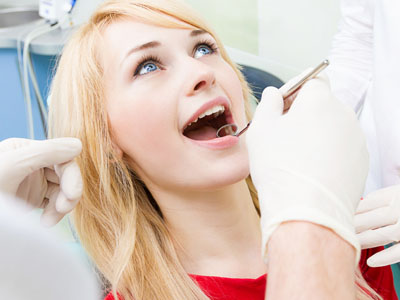
At the office of Dr. Ken Kloess, we take a forward-thinking approach to oral health that emphasizes prevention, clear communication, and personalized care. Regular oral exams give us the chance to catch small problems before they become complex, to guide you on effective home care, and to monitor changes that can affect long-term health. Our goal is to make each visit informative, comfortable, and respectful of your time.
During an oral exam, our team combines careful visual inspection with modern diagnostic tools to form a full picture of your dental health. We’ll listen to your concerns, review relevant medical history, and tailor recommendations to your needs. Whether you’re new to our office or returning for routine care, an oral exam is the foundation of an effective prevention plan.
Your first comprehensive visit begins with a focused conversation about your health, dental history, and any symptoms you’ve noticed. Understanding medications, prior dental treatment, and lifestyle factors helps us evaluate risk and design a plan that fits your life. We’ll ask about habits such as grinding, tobacco use, or sleep-disordered breathing that can influence oral health.
The clinical portion of the exam reviews each tooth, the gums, and the soft tissues of the mouth. We check your bite and jaw function, look for signs of wear, and assess gum health. When necessary, we will recommend diagnostic radiographs to see areas that aren’t visible to the naked eye and to evaluate the health of the supporting bone.
Every oral exam concludes with a clear explanation of findings and a straightforward outline of next steps. If treatment is recommended, we’ll discuss options and prioritize what’s most important for your comfort and oral function. Education is a key part of the visit — we’ll suggest practical home-care strategies that fit your routine and answer any questions you have.

Oral health is closely connected with general health. The mouth can reveal early signs of systemic conditions and can be affected by medications, nutritional status, and chronic disease. During an exam we screen not only for cavities and gum disease, but for soft-tissue changes, ulcers, and other findings that may warrant further medical evaluation.
Research increasingly links oral inflammation and infection with broader health concerns. Chronic gum disease, for example, has been associated with conditions such as cardiovascular disease, respiratory issues, and complications in blood sugar control. Identifying and managing oral inflammation supports both a healthy mouth and overall wellness.
Conversely, many systemic diseases produce oral symptoms — dry mouth, unusual lesions, or delayed healing can signal underlying health problems. If we notice signs that suggest a medical connection, we’ll communicate our observations and coordinate care recommendations in a way that complements your primary healthcare.
Because prevention is central to reducing broader risk, routine exams allow us to intervene early and help protect your health. We emphasize practical screening and clear communication so you understand how your oral health fits into your overall care picture.

Daily oral hygiene is essential, but professional care fills the gaps that routine brushing and flossing can miss. During a professional cleaning, our hygienist removes plaque and hardened tartar from tooth surfaces and along the gumline, then polishes to reduce surface staining. This reduces the bacterial load that leads to decay and periodontal inflammation.
Scheduling regular checkups helps us identify problems in their earliest stages — when treatment is simpler, less invasive, and more affordable. Our recommended interval will be based on your personal risk factors: children, adults with a history of gum disease, and patients with certain medical conditions may need more frequent monitoring.
Checkups are also an opportunity for customized guidance. We’ll review your brushing and flossing technique, demonstrate tools that may help (such as interdental cleaners or powered brushes), and advise on diet choices that support oral health. The focus is on practical, achievable steps that preserve both appearance and function.
For children, these visits establish healthy habits that last. We monitor growth and development, spot early signs of dental crowding or bite issues, and recommend preventive treatments when appropriate to protect developing teeth.
Visual inspection is a core element of any exam, but diagnostic imaging reveals the deeper structures that influence dental health. Radiographs allow us to see tooth roots, bone levels, and areas between teeth where decay often begins. Imaging is essential when evaluating complex problems and planning restorative care.
Today’s digital radiography is faster and exposes patients to less radiation than older film methods. Images appear instantly on screen, can be enhanced for clearer interpretation, and are stored in your digital record for comparison over time. Digital images also make collaboration easier when we consult with specialists or review treatment options with you.
While we use imaging judiciously, it remains one of the most valuable tools for accurate diagnosis. If an area of concern is identified during a visual exam, radiographs help us determine the extent of the issue and design an appropriate, evidence-based plan.
The type of radiograph we recommend depends on the clinical question. Bitewing images are excellent for detecting decay between back teeth, while periapical films show the entire tooth and surrounding root area. Full mouth series provide a comprehensive view when a detailed survey of all teeth is needed.
Panoramic films offer a broad overview of the jaws and teeth, useful for evaluating impacted teeth, development, and overall jaw structure. Cephalometric images are used primarily in orthodontic assessment to evaluate facial proportions and skeletal relationships. Each image type supports specific diagnostic and treatment-planning needs.
For three-dimensional assessment, cone-beam computed tomography (CBCT) provides detailed views of teeth, bone volume, and adjacent anatomy. CBCT is especially helpful for implant planning, complex tooth extractions, and cases where precise spatial information improves safety and outcomes. We recommend advanced imaging only when the additional information will change the course of care.
Our approach to imaging balances clinical benefit with patient safety. We tailor radiographic recommendations to the individual, explain the reason for each image, and use technology that minimizes exposure while maximizing diagnostic value.
Regular oral exams are the cornerstone of long-lasting oral health. They let us detect problems early, support sensible preventive care, and coordinate treatment when needed. For more information about what an oral exam involves or to discuss how we can help you maintain a healthy smile, please contact our office for assistance.
During an oral exam our team performs a systematic review of your teeth, gums, and soft tissues to build a clear picture of your current dental health. We begin with a focused conversation about your medical and dental history, any symptoms you have noticed, and habits that may affect your mouth such as grinding or tobacco use. The clinical portion includes a visual inspection of each tooth, evaluation of gum health, assessment of bite and jaw function, and a check for soft-tissue abnormalities.
When appropriate, the exam is supplemented with diagnostic imaging to reveal areas not visible to the naked eye, such as tooth roots and bone levels. We explain our findings in straightforward terms and outline recommended next steps, prioritizing treatments that protect function and comfort. Education and practical home-care advice are provided so you understand how to maintain and improve oral health between visits.
Before your first comprehensive visit, gather a list of current medications, past dental treatments, and any medical conditions or allergies that could affect care. Bring details about symptoms or concerns you want addressed, such as sensitivity, pain, or difficulties with chewing or sleeping. This information helps us evaluate risk factors and tailor the exam to your needs.
Avoid eating immediately before the appointment if you will be getting radiographs, and arrive prepared to discuss your daily home-care routine so we can offer personalized guidance. If you have prior X-rays from another provider, bringing them or arranging a transfer can speed diagnosis and limit duplicate imaging. Plan to spend a bit more time at this first visit so we can perform a thorough assessment and answer your questions.
Routine oral exams allow us to detect early signs of decay, gum disease, and soft-tissue changes before they progress to more complex problems. Early detection often means treatment can be simpler, less invasive, and better at preserving natural tooth structure and function. Regular screening also helps maintain the balance of the oral environment and prevents the chronic inflammation that contributes to tissue breakdown.
Oral health is closely connected to systemic health; conditions such as diabetes and certain cardiovascular issues can both influence and be influenced by the state of the mouth. By monitoring oral findings and communicating potential medical connections, we help coordinate care that supports overall wellness. Preventive exams and timely intervention reduce the likelihood of complications that affect quality of life and general health.
In addition to a careful visual inspection, clinicians use tools such as periodontal probes to measure gum pocket depths and assess tissue attachment. Hand instruments and intraoral mirrors help identify surface defects, wear patterns, and areas of plaque or tartar buildup that require professional cleaning. When warranted, we supplement the clinical exam with digital radiography to examine roots, bone levels, and interproximal areas that are not visible during the visual inspection.
Digital imaging allows immediate review and the ability to enhance images for clearer interpretation, which aids in accurate diagnosis and treatment planning. We also use bitewing, periapical, and panoramic formats selectively based on the clinical question at hand. All diagnostic choices are made with the goal of maximizing clinical benefit while minimizing unnecessary exposure.
Additional adjunctive tools, such as intraoral cameras or screening devices for soft-tissue lesions, may be used to document findings and educate patients about oral conditions. These technologies support clear communication and enable tracking of changes over time. Any specialized testing is explained fully so you understand why it is recommended and how it informs care.
The specific images we recommend depend on the clinical concern; bitewing radiographs are commonly used to detect decay between back teeth, while periapical films show the tooth from crown to root and reveal root pathology. Panoramic images provide a broad overview of the jaws and surrounding structures and are useful for assessing development, impacted teeth, or jawbone relationships. Each image type addresses different diagnostic needs and is selected to answer a particular clinical question.
For complex cases where three-dimensional detail is required, cone-beam computed tomography (CBCT) can display bone volume, root positions, and anatomical relationships in multiple planes. CBCT is particularly helpful for implant planning, assessment of impacted teeth, and situations that demand precise spatial information. We recommend advanced imaging only when the additional detail will alter treatment decisions or improve safety and outcomes.
Modern digital radiography reduces radiation exposure compared with older film systems and produces images instantly for review and storage in your chart. We explain the purpose of each image and use protective measures such as lead aprons when appropriate. Imaging is always tailored to the individual and used judiciously to balance diagnostic benefit with patient safety.
The appropriate interval for exams and cleanings varies based on individual risk factors such as history of gum disease, caries risk, medical conditions, and lifestyle habits. Many patients benefit from visits every six months, while those with higher risk or active periodontal conditions may need more frequent monitoring and maintenance. We evaluate your unique profile at each visit and recommend a schedule designed to intercept problems early and maintain oral health.
Regular professional cleanings remove hardened deposits and bacterial buildup that routine home care cannot completely eliminate, which helps prevent decay and periodontal inflammation. During each exam we reassess risk factors and adjust the interval if needed, providing targeted preventive strategies and education to support long-term results. The goal is a proactive schedule that keeps you healthy while minimizing the need for extensive treatment.
Pediatric oral exams focus on growth, development, and the establishment of lifelong healthy habits in addition to screening for decay and gum disease. We monitor the eruption pattern of primary and permanent teeth, evaluate bite relationships, and look for signs that may indicate early orthodontic concerns. These visits are also opportunities to teach children age-appropriate home-care techniques and to discuss habits such as thumb-sucking or pacifier use.
For adults, exams place greater emphasis on cumulative risk factors such as past restorations, wear patterns, periodontal history, and the impact of systemic health or medications. Preventive recommendations are tailored to the stage of life and clinical history, and we work to preserve function and aesthetics as needs evolve. Across all ages, fostering a comfortable, educational environment helps patients stay engaged with their oral health plan.
Yes, the mouth often reflects broader health issues and an oral exam can reveal signs that suggest systemic involvement, such as unusual lesions, persistent ulcers, dry mouth, or delayed healing. Certain patterns of gum disease and oral inflammation have been associated with systemic conditions like diabetes or immune disorders, making early recognition and communication with a primary care provider important. We screen for these findings and document any abnormalities that may warrant further medical evaluation.
When oral signs indicate a possible medical connection, we explain our observations and recommend appropriate next steps, which may include referral or coordination with your physician. Our goal is to integrate oral findings into the larger context of your health so that both dental and medical care work together effectively. Clear communication and timely follow-up help ensure potential systemic issues are investigated and managed appropriately.
If the exam identifies areas that require treatment, we provide a clear explanation of the issue, outline the available options, and prioritize steps based on urgency and overall health. Treatment planning focuses on restoring function, preventing progression, and addressing any comfort concerns, with an emphasis on conservative, evidence-based approaches whenever possible. We also review what to expect during recovery and how to manage the area at home.
Follow-up may include scheduling restorative or periodontal appointments, ordering targeted imaging, or initiating preventive measures to reduce future risk. Education about home care, recommended products, and lifestyle adjustments is provided to support long-term outcomes. Throughout the process we encourage questions and provide written or verbal instructions so you feel informed and confident about the recommended care.
The office of Dr. Ken Kloess emphasizes prevention, clear communication, and personalized care to make each exam informative and comfortable. Our team combines careful visual assessment with modern diagnostic tools and patient education to develop practical plans that fit your life and health goals. We strive to create an environment that reduces anxiety and ensures every patient understands their findings and next steps.
State-of-the-art equipment and a commitment to listening to patient concerns help us deliver consistent, evidence-based care across general, restorative, and cosmetic needs. Whether you are establishing care or returning for routine monitoring, our approach centers on early detection and sensible intervention to protect both oral function and overall wellness. We welcome questions and aim to build long-term relationships that support healthy, confident smiles.
If you are looking for a highly trained, experienced dentist in Dupo, you’ve come to the right place. At our practice, you will receive the highest quality care. Our office uses state-of-the-art equipment and cutting-edge technology.