At the office of Dr. Ken Kloess, the health, comfort, and long-term development of your child's smile are central to everything we do. Our pediatric approach blends evidence-based prevention with age-appropriate education so children and families leave each visit feeling confident and well informed.

Good oral health begins long before permanent teeth arrive. Early dental partnerships help children learn routines, reduce anxiety around the dental chair, and allow clinicians to track growth and development from the start. We emphasize consistent, gentle care that grows with each child so habits formed early become lifelong practices.
Our team focuses on prevention first: practical brushing and flossing instruction, targeted fluoride guidance, and advice on habits that protect enamel. We tailor explanations to a child's age and temperament — from playful demonstrations for toddlers to clear, respectful guidance for teens — so every patient understands how daily choices affect their smile.
Parents are partners in this process. We provide clear, actionable steps you can follow at home to reinforce what we teach in the office. When children feel safe and supported, they’re more likely to cooperate during visits and adopt healthy behaviors that reduce the need for restorative work later on.
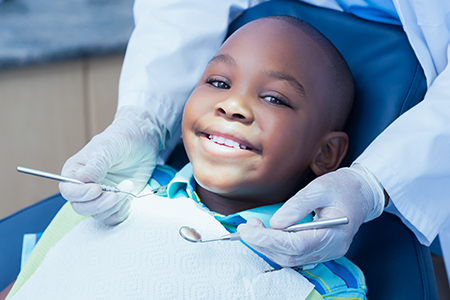
Regular exams play a dual role: they detect early signs of problems and serve as teaching moments for families. During a typical checkup, we review your child’s medical history, examine teeth, gums and jaw alignment, and assess oral function like bite and speech when needed. Our exams are thorough but paced to match a child’s comfort level.
Professional cleanings remove plaque and tartar that brushing alone can miss, and provide an opportunity to demonstrate effective home care. We use digital radiographs selectively to get a clear picture of developing teeth and root structures, always balancing diagnostic value with minimal exposure.
Every visit concludes with a personalized plan: preventive measures to consider, dietary suggestions, and age-appropriate expectations for growth. When restorations or more involved treatment are indicated, we explain options in straightforward terms and help families understand timing and next steps.
Monitoring facial growth and the way teeth come in is a critical part of pediatric dentistry. Early detection of bite or alignment concerns can simplify later care and sometimes reduce the need for more complex interventions. We evaluate jaw development and space for permanent teeth at each visit.
If early signs suggest orthodontic evaluation would benefit your child, we’ll discuss the rationale and timing. Referral to an orthodontic specialist can be recommended when interceptive treatment or monitoring is likely to improve long-term outcomes.
We also keep an eye out for functional issues — habits, airway concerns, or speech patterns that interact with dental development — and collaborate with other professionals when a multidisciplinary approach is needed.
Tooth decay remains one of the most common health issues for children, but it is largely preventable. We use a combination of clinical measures — like fluoride applications and dental sealants for molars — together with education about diet and oral hygiene to lower a child’s risk of cavities.
Dental sealants act as a protective barrier for the chewing surfaces of back teeth, where grooves can trap food and bacteria. Applied quickly and comfortably, sealants are an effective tool to reduce decay during the years when children are most vulnerable.
Accidents happen, and when they do prompt, skilled attention matters. From chipped teeth and displaced teeth to painful infections, our goal is to stabilize the situation, relieve discomfort, and preserve long-term function. We provide clear guidance on what to do in common dental emergencies and how to reduce future risk.
Begin dental visits early to normalize care and build trust.
Keep primary teeth clean with age-appropriate brushing and supervision.
Avoid bedtime bottles with milk or juice to reduce prolonged sugar exposure.
Bring children in for routine checkups so we can treat issues before they progress.
Lead by example: children learn habits from the adults around them.
Choose tooth-friendly snacks and limit sugary beverages in favor of water.
Support transitions away from pacifiers and thumb-sucking at developmentally appropriate ages.
Use a properly fitted mouthguard for sports to protect teeth and soft tissues.

Even before teeth erupt, simple oral care routines help establish healthy foundations. Gently cleaning gums after feedings and avoiding sugary liquids in bottles reduces early decay risk. Pediatric guidelines recommend a first dental visit around the first birthday so parents receive practical guidance and clinicians can check early development.
As primary teeth appear, parents should use a soft infant brush or cloth and progress to a small soft-bristled toothbrush with a smear of fluoride toothpaste once advised by your dentist. Supervision is essential until a child can reliably spit and manage brushing independently.
Teething can be uncomfortable but is typically managed with safe home remedies like cool teething rings or a damp cloth. If your child experiences unusual symptoms or prolonged distress, contact your dental provider for advice.
School-age children and teens face different dental challenges: increased exposure to sports, changing diets, and evolving social concerns about appearance. During these years we focus on habit coaching, protection with mouthguards, and maintaining excellent hygiene even when life gets busy.
Good nutrition supports strong teeth and gums. Emphasizing whole foods, calcium-rich choices, and limiting sticky sweets helps guard enamel and supports overall growth. We offer practical, age-appropriate nutrition tips to make healthy choices simpler for families.
As permanent teeth come in, attention to alignment and function becomes more important. Early assessment allows families to consider orthodontic timing and helps prevent space loss from early tooth loss or other problems. Our team monitors wisdom tooth development and other late-stage changes so you know what to expect.
Our office strives to make every visit positive: from friendly communication and clear expectations to gentle techniques that respect a child’s comfort. Some children need additional accommodations for anxiety or special needs, and we work closely with families to determine the best approach to care.
We believe informed parents make the best advocates. That’s why we explain findings, outline preventive steps, and provide straightforward guidance at every age and stage. Together, we create a plan that fits your child’s needs and your family’s preferences.
In summary, pediatric dental care is about prevention, education, and early action. By establishing regular visits, promoting healthy habits, and addressing issues promptly, families give children the best chance for a strong, confident smile. If you’d like to learn more about our pediatric services or discuss care for your child, please contact our office for additional information.
Most pediatric dental experts recommend a first visit by the child’s first birthday or within six months of the first tooth eruption. This early appointment focuses on prevention, establishing routines, and answering parental questions about feeding, teething, and home care. Introducing children to the dental setting early helps reduce fear and sets the stage for consistent care as teeth develop.
During that initial visit the clinician will review health history, perform a gentle exam of gums and emerging teeth, and offer practical tips parents can start using right away. The goal is to normalize dental visits and give families a clear plan to protect primary teeth. Early partnerships with a dental provider make it easier to address concerns before they become more complex.
A pediatric exam includes a review of medical history, a thorough visual inspection of teeth and gums, and an assessment of bite and oral habits when appropriate. Cleanings remove plaque and tartar and provide an opportunity for hands-on coaching in brushing and flossing techniques. If clinically indicated, the team may take selective digital radiographs to evaluate developing teeth and root structures with minimal exposure.
At the end of the visit the clinician will summarize findings and provide a personalized plan that may include preventive measures, dietary advice, and a schedule for follow-up care. Parents receive age-appropriate guidance so they can reinforce healthy habits at home. When restorative care or specialist referral is needed, the team explains options clearly and outlines recommended timing for treatment.
Prevention combines clinical treatments with daily home care and nutrition guidance to reduce the risk of cavities. Clinically, we recommend targeted fluoride applications and the use of sealants on vulnerable chewing surfaces when appropriate, while emphasizing routine cleanings and exams. At home, supervised brushing with the right amount of fluoride toothpaste and limiting prolonged exposure to sugary drinks are key strategies.
Education is central to prevention, so we teach children and parents practical techniques that fit each child’s age and temperament. Consistent routines, healthy snack choices, and early monitoring help minimize the need for restorative treatment later on. When families follow these measures, children are more likely to maintain strong enamel and avoid cavities.
Dental sealants are thin, protective coatings applied to the chewing surfaces of back teeth to block grooves where food and bacteria collect. Sealants are most often recommended when molars first erupt and during the years when children are at higher risk for decay, because the material can significantly reduce cavity formation on those surfaces. The application is quick, painless, and typically completed during a routine visit.
Clinicians evaluate each child’s individual risk before recommending sealants, taking into account oral hygiene, diet, and cavity history. Sealants work best as part of a broader preventive plan that includes fluoride, proper brushing, and regular checkups. They can be examined and repaired as needed during follow-up visits to ensure ongoing protection.
When a dental injury or sudden tooth pain occurs, prompt assessment and stabilization are the priority to preserve long-term function and reduce discomfort. Common emergencies include chipped or displaced teeth, severe pain from infection, and soft tissue injuries, and each situation has recommended immediate steps families can take while seeking professional care. Our approach is to relieve pain, protect oral structures, and plan definitive care that supports healthy development.
We provide clear guidance on what to do after common incidents, such as saving a knocked-out tooth properly or applying cold compresses for swelling. Timely professional attention often improves outcomes, so families are encouraged to contact their pediatric dental provider as soon as possible after an injury. When additional care is needed, we coordinate with specialists to ensure comprehensive treatment.
Monitoring jaw growth and tooth eruption is a routine part of pediatric dental visits and can reveal early signs that orthodontic evaluation would be beneficial. An initial orthodontic screening is often recommended by the early school years, though timing varies based on individual development and clinical findings. Early detection of crowding, crossbites, or space issues can simplify treatment and sometimes reduce the need for more extensive interventions later on.
When early or interceptive treatment may help, the dental team will explain the reasons and recommended timing so families can make informed decisions. Referrals to an orthodontic specialist are coordinated when monitoring or treatment from a specialist will improve long-term outcomes. Regular exams allow the dental team to track changes and advise on the most appropriate next steps.
Parents play a central role in forming lifelong oral health habits by supervising brushing, setting consistent routines, and modeling good behavior. Use age-appropriate tools like a soft-bristled brush and a smear or pea-sized amount of fluoride toothpaste as recommended, and supervise brushing until your child can reliably spit and manage the task independently. Limiting sugary snacks and replacing sweetened drinks with water, especially between meals, significantly reduces enamel exposure to acids.
Regular positive reinforcement and simple, playful demonstrations help young children learn technique and build cooperation during care. Address habits such as pacifier use or thumb-sucking with gentle guidance and age-appropriate strategies to avoid long-term dental effects. When parents have questions or face challenges, the dental team can provide tailored tips to fit the family’s routine.
Digital radiographs deliver much lower radiation levels than traditional film and are used selectively when the diagnostic benefits outweigh the minimal exposure. Pediatric dentists follow guidelines that limit X-ray frequency based on a child’s age, cavity risk, and clinical findings, ensuring images are taken only when necessary to inform care. When used, digital imaging provides precise information about developing teeth, root anatomy, and areas not visible during a clinical exam.
Lead shielding and modern equipment further reduce exposure, and clinicians always discuss the rationale for any radiographs with parents before taking images. The focus is on balancing diagnostic value with safety and using the least exposure necessary to obtain clinically useful information. This selective, guideline-based approach helps protect children while supporting accurate treatment planning.
Baby teeth require attentive care because they guide jaw growth, maintain space for permanent teeth, and support chewing and speech development. Before teeth erupt, gently clean gums after feedings with a soft cloth, and once teeth appear use a soft infant brush with a smear of fluoride toothpaste as recommended by your dentist. Supervision is important until children can brush effectively on their own, and routine visits enable clinicians to monitor development and address early concerns.
Teething can cause mild discomfort that is often relieved with cool teething rings, gentle gum massage, or a damp cloth, and caregivers should avoid prolonged use of bottles with sugary liquids. If a child has unusual symptoms, persistent fever, or prolonged distress, contact your dental or medical provider for guidance. The dental team can also provide practical strategies to ease discomfort while safeguarding oral health.
We create a child-centered environment that prioritizes comfort, clear communication, and gradual acclimation to dental care for children who are anxious or have special needs. Our team uses gentle behavior management techniques, visual explanations, and pacing that matches each child’s comfort level so visits are productive and less stressful. When additional support is required, we collaborate with families to develop individualized plans that may include scheduled longer appointments or tailored care strategies.
Open communication with parents or caregivers is essential to understanding a child’s preferences, triggers, and successful calming techniques. We may coordinate with other healthcare providers or recommend adjunctive approaches when a multidisciplinary strategy will improve care. The overall objective is to provide safe, respectful treatment that builds trust and helps each child receive the care they need.
If you are looking for a highly trained, experienced dentist in Dupo, you’ve come to the right place. At our practice, you will receive the highest quality care. Our office uses state-of-the-art equipment and cutting-edge technology.