If a dental professional has recommended a root canal for one of your teeth, there’s no need to panic. Modern root canal treatment is a precise, well-established therapy designed to relieve pain, remove infection, and restore the function of a tooth — often with comfort comparable to a routine dental filling. Rather than removing a compromised tooth, this treatment frequently preserves it so you can keep a natural, functional smile.
We combine contemporary tools and gentle techniques to make root canal therapy predictable and comfortable. At the office of Dr. Ken Kloess, patient comfort and clear communication are priorities: we explain what to expect, answer questions, and tailor care to each person’s needs so that treatment is as stress-free as possible.
When a tooth is severely damaged by decay or trauma, preserving the natural tooth is typically the best course for long-term oral health. A treated tooth continues to provide the stability and chewing capacity that adjacent teeth rely on. Replacing a lost tooth can involve additional procedures and time, so when a root canal can retain a healthy root structure, it helps maintain the integrity of your bite and overall dental alignment.
Root canal therapy removes infected or inflamed tissue within the tooth and seals the internal space to prevent future bacterial invasion. Across decades of clinical practice, this approach has proven highly successful at relieving pain and stopping the spread of infection. For many people, it means saving a tooth that would otherwise be extracted, preserving both appearance and function.
Keeping your natural tooth also supports bone health in the jaw. When a tooth is extracted, the surrounding bone can gradually resorb over time. A root canal followed by a strong restoration protects the tooth and helps preserve the supporting bone and gums, contributing to a healthier mouth for years to come.

Each tooth contains an inner chamber filled with soft tissue called the dental pulp. That pulp houses nerves, blood vessels, and connective tissue that support tooth development and provide sensation. If decay, a deep crack, or a hard impact reaches that inner area, the pulp can become irritated, inflamed, or infected — and once the pulp is compromised, it often cannot heal on its own.
Symptoms that suggest the pulp is affected vary widely. Some people experience sharp or lingering pain, others notice sensitivity to hot or cold that doesn’t resolve, and some teeth darken over time without obvious pain. In other instances, an infection can progress silently and be detected only through a clinical exam and dental X-rays showing changes around the root tip.
When pulp tissue is irreversibly damaged, root canal therapy is the conservative option to remove the diseased tissue, disinfect the internal spaces, and seal the canals to prevent reinfection. By addressing the problem inside the tooth rather than removing the entire tooth, we preserve natural structure and maintain your ability to chew, speak, and smile with confidence.
A few common signs indicate that the inner tissues of a tooth may be distressed. Persistent or worsening pain, especially pain that wakes you at night or continues after cold or hot stimuli, often signals deeper involvement than a simple surface cavity. Pain when biting or pressure sensitivity can mean the nerve is irritated or fractured, and discomfort when touching the tooth is another red flag.
Visible changes can also provide clues: a tooth that becomes noticeably darker or shows signs of internal discoloration has often experienced internal trauma or pulp damage. Chips, cracks, or fractures create pathways for bacteria to reach the pulp and frequently lead to inflammation or infection if left untreated. Swelling of the gums or tissues around a tooth, and in some cases drainage or a persistent bad taste, suggests an active infection that needs prompt attention.
Tooth mobility may develop when an infection affects the bone supporting the tooth. While minor mobility can sometimes resolve after successful treatment and healing, progressive loosening is a signal to seek evaluation quickly. If you notice any of these signs, arranging an examination helps determine whether root canal therapy or another intervention is appropriate.

Prompt evaluation is important because delays can allow an infection to spread and cause more extensive damage. Some teeth show clear symptoms early, while others may be asymptomatic for a time and only reveal problems on X-rays during routine exams. Radiographic signs such as changes at the root tip or bone loss can indicate a chronic process that benefits from early intervention.
Addressing inflammation or infection sooner often reduces the number of visits required and improves the predictability of treatment. It also reduces the risk of the problem extending to neighboring teeth or producing acute swelling and pain that can be more difficult to manage. Early treatment supports faster healing and a simpler restoration process afterward.
Your overall health matters, too. Untreated dental infections can contribute to systemic stress and, in some situations, broader health concerns. For that reason, we recommend assessing persistent dental symptoms without delay so we can outline a clear plan tailored to your needs and minimize future complications.
Root canal therapy begins with careful numbing of the area to ensure patient comfort. Using magnification and specialized instruments, the clinician gains access to the pulp chamber, removes inflamed or infected tissue, and shapes the internal canals. The canals are then thoroughly cleaned and disinfected before being filled with a biocompatible material that seals the space against bacteria.
Some cases can be completed in a single visit, while others may require two appointments when infection control or anatomy makes additional time prudent. If you prefer, sedation options are available to help reduce anxiety during treatment. Once the internal work is finished, the tooth needs a durable final restoration — often a crown — to restore strength and protect it from fracture.
After the procedure, mild soreness and tenderness are common for a few days but typically respond well to over-the-counter medications and simple home-care measures. You should avoid chewing on the treated tooth until it is fully restored, and keep practicing regular brushing and flossing to support healing. If antibiotics are prescribed for an infection, it’s important to complete the course as directed.
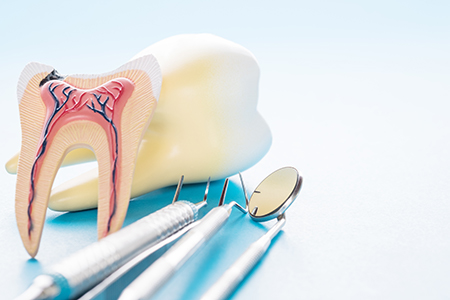
Once a root canal is completed and the tooth is restored, long-term success depends on good oral hygiene and appropriate follow-up care. A permanent crown or restoration protects the tooth from fracture and helps you regain full chewing function. Regular dental examinations and X-rays allow your clinician to monitor healing and detect any changes early.
With careful restoration and routine maintenance, treated teeth can remain functional for decades. If symptoms persist or new signs develop after treatment — such as renewed pain, swelling, or persistent sensitivity — contact our office promptly so we can evaluate and address any concerns.
At the office of Dr. Ken Kloess, we focus on clear communication, gentle care, and evidence-based treatments to help patients navigate the decision to preserve a natural tooth. Our team will explain each step of the process and make recommendations that reflect your health goals.
In summary, root canal therapy is a reliable way to relieve pain, treat infection, and save a natural tooth when the dental pulp is damaged. If you’re experiencing persistent dental pain, noticeable changes in a tooth, or any other concerning symptoms, please contact us for more information and to schedule an evaluation.
A root canal is a dental procedure that removes inflamed or infected pulp from inside a tooth. The treatment cleans and seals the tooth's internal canals to stop infection and preserve the natural structure. It is typically recommended when decay, a deep crack, or trauma has exposed the pulp and caused irreversible damage.
By keeping the natural root, a root canal helps maintain chewing function and supports the jawbone that surrounds the tooth. When successful, the procedure allows a tooth to remain in place for many years instead of being extracted. Modern techniques and materials make the outcome predictable and compatible with later restorations such as crowns.
Common symptoms that suggest pulp involvement include persistent or severe tooth pain, prolonged sensitivity to hot or cold, and pain when biting or applying pressure. A tooth that becomes discolored, swollen gums near the tooth, or a recurring bad taste or drainage can also indicate infection. Symptoms vary from person to person, and some infections are only visible on X-rays during a clinical exam.
Because signs can be subtle or absent, routine dental exams and radiographs play an important role in detection. Early evaluation prevents progression of infection and reduces the likelihood of more extensive treatment. If you notice ongoing symptoms or visible changes in a tooth, schedule an examination promptly to determine whether root canal therapy is appropriate.
The procedure begins with careful local anesthesia to ensure comfort, followed by access to the pulp chamber through the top of the tooth. The dentist or endodontist uses specialized instruments and magnification to remove inflamed or infected tissue, shape the canals, and thoroughly disinfect internal spaces. After cleaning, the canals are filled with a biocompatible material and sealed to prevent reinfection.
Some cases are completed in a single visit, while others require two appointments when additional disinfection or drainage is needed. A temporary filling may be placed between appointments, and a permanent restoration such as a crown is recommended afterward to restore strength. Throughout the process, clinicians monitor anatomy and infection control to maximize prognosis.
Most patients experience little to no pain during root canal treatment because the area is thoroughly numbed with local anesthesia and modern techniques minimize discomfort. Many people report that the procedure feels similar to receiving a routine dental filling. If anxiety is a concern, sedation options are available to help patients remain comfortable during treatment.
Soreness and mild tenderness in the treated tooth or surrounding tissues are common for a few days after the procedure, and these symptoms usually respond to over-the-counter anti-inflammatory medications and simple home care. Severe or increasing pain, persistent swelling, or signs of allergic reaction are uncommon and should be reported to the dental office promptly. Follow-up visits help ensure proper healing and timely placement of a protective restoration.
Initial recovery from a root canal typically takes a few days, during which mild soreness and tenderness may be expected as surrounding tissues heal. Most discomfort can be managed with rest, soft foods, and recommended pain relievers, and symptoms generally subside within 48 to 72 hours. If the procedure required multiple visits or if there was a significant infection, healing may take a bit longer.
Permanent restoration of the tooth, such as a crown, is an important part of long-term recovery because it restores strength and function. At the office of Dr. Ken Kloess in Dupo, IL, we schedule follow-up visits to confirm healing and complete final restorations when appropriate. Contact the office if pain increases, swelling persists, or you experience any new symptoms after treatment.
After root canal therapy, avoid chewing on the treated tooth until a final restoration is placed to prevent fracture. Maintain excellent oral hygiene with regular brushing and flossing to keep the surrounding gum tissue healthy and reduce the risk of new infection. If antibiotics are prescribed, complete the entire course as directed to fully resolve any active infection.
Attend scheduled follow-up appointments for placement of a permanent crown or other restorative work, and continue routine dental exams and X-rays so your clinician can monitor the treated tooth over time. If you notice renewed pain, swelling, or loosening of the tooth, contact the dental office promptly for evaluation. Proper restoration and regular care are key to long-term success.
Teeth that have undergone root canal therapy can become more brittle because the internal tissue has been removed and structural support is altered. A durable restoration such as a crown protects the tooth from fracture, restores full chewing function, and helps prevent bacterial contamination of the sealed canals. Crowns are particularly important for molars and premolars that endure heavy biting forces.
The choice of restoration depends on the amount of remaining tooth structure and the tooth's location in the mouth. In many cases, a crown placed after root canal therapy significantly improves the tooth's prognosis and function. Your dentist will review the best restorative options based on clinical findings and the tooth's long-term needs.
Root canal therapy has a long track record of success when performed with proper technique and followed by appropriate restoration and maintenance. Many treated teeth remain functional for decades with good oral hygiene and regular dental care. Success depends on factors such as the extent of preexisting infection, tooth anatomy, and the quality of the final restoration.
Periodic examinations and radiographs help track healing and identify any changes that might require further attention. If new symptoms arise after treatment—such as renewed pain, swelling, or signs of infection—prompt evaluation allows timely management. With attentive follow-up and protection, treated teeth can offer reliable function for years to come.
The primary alternatives are extraction of the affected tooth followed by replacement options such as a dental implant, fixed bridge, or removable partial denture. Extraction removes the source of infection quickly, but replacing a missing tooth typically involves additional procedures to restore chewing function, maintain adjacent teeth, and preserve jawbone structure where possible. In some cases, careful monitoring may be an option if symptoms are mild and there is no active infection.
The best choice depends on the tooth's restorability, the patient's overall oral health, and personal preferences regarding treatment complexity and long-term outcomes. Your clinician will review the risks and benefits of each approach and recommend a treatment plan tailored to your dental health goals. Timely evaluation helps ensure the chosen path supports both function and oral health.
Seek urgent dental care if you experience severe or worsening tooth pain, rapid swelling of the face or gums, fever accompanied by dental symptoms, or difficulty breathing or swallowing. These signs can indicate a spreading infection that requires prompt intervention to prevent complications. Persistent drainage, an expanding area of redness, or sudden loosening of a tooth also warrant immediate attention.
If you have concerning symptoms outside regular office hours, follow emergency guidance provided by your dental office and arrange a clinical evaluation as soon as possible. The office of Dr. Ken Kloess in Dupo, IL can assess signs of infection, provide pain relief, and recommend appropriate next steps to protect your health. Timely care improves outcomes and reduces the likelihood of more extensive treatment.
If you are looking for a highly trained, experienced dentist in Dupo, you’ve come to the right place. At our practice, you will receive the highest quality care. Our office uses state-of-the-art equipment and cutting-edge technology.