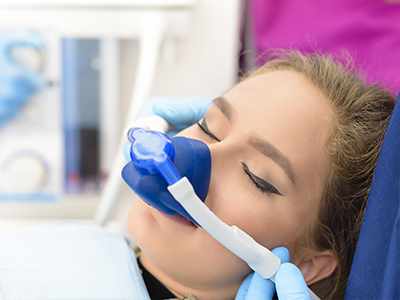
Anxiety about dental visits is common, but it shouldn't prevent you from getting the care your mouth needs. At the office of Dr. Ken Kloess, we focus on creating calm, predictable experiences for patients who feel nervous or overwhelmed by dental procedures. Sedation dentistry is a clinical tool that helps people relax so treatment can be delivered safely, efficiently, and without unnecessary stress.
Sedation doesn't replace local anesthesia or clinical technique; it complements them. When appropriate, sedation allows our team to manage discomfort, shorten the perceived length of appointments, and help patients who previously avoided care reestablish a healthy routine. The aim is always to pair comfort with high-quality dental outcomes.
Below are five sections that explain how sedation works, why patients might choose it, how we select the safest option for each person, and what to expect before, during, and after care. The goal is to give clear, practical information so you can decide whether sedation dentistry is right for you.
Sedation dentistry reduces the mental and physical tension that many people associate with dental care. By using medications that promote relaxation, we help patients enter a state where fear and hyper-vigilance are softened. This shift in state can make routine cleanings, restorative procedures, and more extensive treatments feel manageable rather than intimidating.
Importantly, sedation affects perception more than sensation. Local anesthetics still numb the treatment area so you don't feel pain, while sedation reduces the emotional response to the procedure. For many patients, this combination makes it easier to tolerate necessary treatment without the distress that previously prevented them from seeking care.
From a clinical standpoint, a calm patient is a safer patient. Reduced movement and lower anxiety help our team work more precisely and efficiently. That can translate into fewer interruptions, a smoother treatment flow, and often the ability to complete more work in fewer appointments when appropriate.
Sedation dentistry can have practical advantages that extend beyond immediate comfort. Patients who have avoided the dentist due to fear often present with advanced decay, gum disease, or restorative needs. By making treatment tolerable, sedation can help reverse a cycle of avoidance and lead to improved oral health over time.
Another important benefit is time management. Treatments that would normally require multiple visits can sometimes be consolidated when a patient is appropriately sedated, reducing the cumulative stress of repeated appointments. This is especially helpful for people with demanding schedules or those who find it difficult to take frequent time away from work or family responsibilities.
For specific challenges—such as a strong gag reflex, hypersensitivity in the mouth, or difficulty remaining still—sedation provides practical relief. It allows the dentist to access hard-to-reach areas and perform necessary procedures without causing the patient undue distress, improving the overall quality of care.

Candidates for sedation include people whose anxiety prevents them from receiving routine care, as well as those facing lengthy or complex procedures. Sedation is also considered for patients with special needs, a powerful gag reflex, or sensitivity that makes standard treatment uncomfortable. We evaluate each person individually to determine whether sedation is appropriate.
Medical history plays a central role in candidacy. During your consultation, we review medications, chronic conditions, allergies, and past experiences with anesthesia or sedatives. That information guides which method—if any—is safest and most effective for your situation.
Age and cognitive factors are also considered. Some children and adults with developmental or cognitive disabilities may benefit from sedation to enable necessary dental care that would otherwise be impossible. For every patient, our priority is choosing an approach that balances comfort with safety and predictable outcomes.
There are several levels and methods of sedation used in dental practice, and we select among them based on the patient's needs, medical history, and the complexity of the procedure. Our goal is to provide the minimum effective level of sedation that ensures comfort while maintaining safety and responsiveness when required.
Conscious sedation keeps patients relaxed and often drowsy, but still able to respond to verbal prompts. This is commonly used in the dental office because it supports a quick recovery and usually does not require hospital-level monitoring. General anesthesia, by contrast, produces complete unconsciousness and requires an operating-room environment with an anesthesiologist and advanced monitoring. We reserve deeper anesthetic care for cases where it is clinically necessary.
In the dental office we most often provide conscious sedation methods that can be closely monitored and adjusted as needed. The choice among inhaled, oral, or intravenous options depends on the patient's anxiety level, medical history, and the anticipated length and complexity of treatment. Before any sedation is administered, we discuss the plan, explain expectations, and confirm pre-appointment instructions to promote safety.
Nitrous oxide, often called "laughing gas," is a mild sedative delivered through a small nasal mask. It produces a calming effect that begins quickly and dissipates almost immediately after the gas is stopped. This method is ideal for patients with mild to moderate anxiety, those who are sensitive to long procedures, or anyone who wants a short-acting, reversible option.
Oral sedation involves taking a prescribed medication prior to the appointment to reduce anxiety and promote relaxation. The level of sedation can vary from light to moderate depending on the drug and dose. Because oral sedatives can cause drowsiness, patients are typically asked to arrange for someone to accompany them to and from the office.
IV sedation delivers medication directly into the bloodstream to provide a deeper, more controllable level of sedation. It acts quickly and can be adjusted during treatment to maintain the desired effect. IV sedation is appropriate for patients who need a higher level of relaxation, for longer procedures, or when a greater degree of control over the sedation level is required. Pre-appointment fasting and an escort home are standard safety precautions for IV sedation.
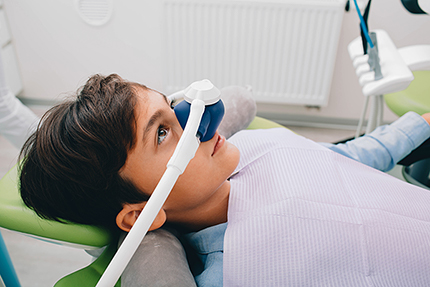
Preparation depends on the type of sedation chosen. For inhalation sedation, there are usually no restrictions, and recovery is rapid. Oral sedatives typically require planning for an escort and light pre-visit instructions. IV sedation often requires fasting for a set period beforehand and arranging transportation home. We will provide specific guidelines tailored to the selected method to ensure your safety.
During treatment, the dental team monitors vital signs and observes your level of responsiveness. We adjust medication and treatment pacing as needed to maintain comfort without compromising safety. Local anesthesia is used in tandem with sedation to eliminate pain at the treatment site while sedation reduces anxiety and awareness of the procedure.
After the appointment, recovery varies by method. With inhalation sedation you may feel almost normal within minutes; oral and IV sedation often require a longer recovery window and supervision. We will discuss post-procedure expectations, any activity restrictions, and signs to watch for that would prompt a follow-up call. Our team remains available to answer questions as you recover.
At the office of Dr. Ken Kloess, our priority is safe, compassionate care that helps patients receive the treatment they need without unnecessary fear. If you’d like to learn more about whether sedation dentistry could help you or a family member, please contact us for additional information.
Sedation dentistry uses medications to reduce anxiety and promote relaxation during dental procedures. It helps patients feel calm and more comfortable so clinicians can provide necessary care without unnecessary stress. Sedation is a clinical adjunct that works alongside local anesthesia to control the emotional response to treatment.
Sedation can range from mild relaxation to deeper levels of reduced awareness depending on the method used. The goal is always to maintain safety and effective communication while minimizing distress. At the office of Dr. Ken Kloess we prioritize approaches that balance comfort with predictable clinical outcomes.
Sedation and local anesthesia serve different purposes during dental care. Local anesthesia numbs a specific area to prevent pain, while sedation reduces anxiety, suppresses fear, and alters perception of the procedure. Both are often used together so patients experience minimal pain and less emotional distress.
Sedation affects consciousness and awareness but does not necessarily eliminate physical sensation, so local anesthetic remains essential for pain control. Sedation is selected to complement clinical technique rather than to replace it. This combined approach supports safer, more efficient treatment for many patients.
Good candidates include patients who experience significant dental anxiety, have a strong gag reflex, require extensive or lengthy procedures, or have special needs that make standard care difficult. Adults and children alike may benefit when fear prevents routine care or when cooperation is limited. Each potential candidate receives an individualized evaluation to determine suitability.
Medical history, current medications, allergies, and past reactions to anesthesia are all reviewed before recommending sedation. Age, cognitive status, and the specific complexity of the dental work also influence the choice of method. The primary consideration is always patient safety combined with the ability to complete the necessary treatment.
Common office-based options include inhalation sedation with nitrous oxide, oral sedation taken before the visit, and intravenous (IV) sedation administered during treatment. Nitrous oxide produces rapid onset and quick recovery, making it useful for mild to moderate anxiety and short procedures. Oral sedation involves prescription medication that provides light to moderate sedation and may cause drowsiness that lasts beyond the appointment.
IV sedation delivers medication directly into the bloodstream and allows the clinical team to adjust levels quickly for deeper, more controllable relaxation. Each method has advantages and specific safety considerations, such as fasting requirements or the need for an escort home. The chosen approach depends on the patient’s needs, medical history, and the planned procedure.
Preparation varies by sedation type but typically includes reviewing your medical history and current medications with the dental team. For IV sedation you will likely be asked to fast for a specified period before the appointment, and for oral sedation you should arrange for someone to accompany you to and from the office. Following pre-appointment instructions precisely helps reduce the risk of complications and supports a smoother recovery.
Wear comfortable, loose clothing and avoid heavy makeup or jewelry that could interfere with monitoring equipment. Bring a complete list of medications and any recent medical records or information about allergies. If you have questions about specific instructions, contact the office ahead of time so the team can clarify expectations and tailor guidance to your situation.
During sedation the dental team monitors vital signs and observes your level of responsiveness to ensure safety and comfort. With conscious sedation you may remain able to respond to verbal cues while feeling relaxed and less aware of time. Local anesthesia is used concurrently to prevent pain at the treatment site while sedation manages anxiety and awareness.
Recovery times differ by method: nitrous oxide wears off quickly, while oral and IV sedation require longer observation and supervision. After deeper sedation you will need someone to drive you home and provide supervision until effects diminish. The team will give clear post-procedure instructions and contacts to use if you have questions or experience unexpected symptoms.
Sedation can be a safe and effective tool for children and patients with special needs when protocols are tailored to the individual and administered by trained professionals. Pediatric dosing, developmental considerations, and behavioral goals are all part of the assessment. In many cases nitrous oxide or mild oral sedation provides enough relief for routine pediatric procedures while minimizing risk.
For patients with developmental or cognitive disabilities, sedation may enable necessary dental care that would otherwise be impossible to deliver safely and compassionately. The dental team collaborates with caregivers and medical providers to review health history and establish the safest option. Ongoing monitoring, clear consent, and a personalized care plan support positive outcomes.
Safety monitoring is central to sedation dentistry and includes checking heart rate, blood pressure, oxygen saturation, and the patient’s level of responsiveness throughout the appointment. Staff are trained in sedation protocols and emergency response, and appropriate equipment is kept on hand to support airway and cardiovascular function if needed. Clear communication among team members helps maintain a controlled treatment environment.
Prior to sedation the team confirms medical history, allergies, and current medications to reduce risk and to select the safest method. Written instructions and informed consent are provided so patients understand the plan. After the appointment, the practice continues to monitor recovery until it is safe for the patient to leave under supervision.
Sedation itself does not reduce clinical quality; in many cases it improves the ability to perform precise, efficient dentistry by reducing patient movement and anxiety. When a patient is calm and cooperative the dentist can work more accurately and may be able to complete more treatment in fewer visits. Sedation supports clinical technique rather than changing the intended outcomes of a procedure.
Local anesthetics and standard procedural protocols remain in place regardless of sedation, so pain control and restorative objectives are maintained. The practice follows established clinical standards to ensure outcomes meet professional expectations. If you have questions about how sedation might affect a particular procedure, discuss them with your dental team before treatment.
Determining the right option begins with a thorough consultation that reviews your medical history, current medications, level of dental anxiety, and the complexity and length of the planned procedure. The dental team evaluates risks and benefits and recommends the minimum effective level of sedation to achieve comfort while preserving safety. Patient preferences and practical considerations, such as the ability to arrange transportation, also inform the decision.
Our team at the office of Dr. Ken Kloess explains each option, outlines pre- and post-appointment instructions, and answers questions so you can make an informed choice. We coordinate care with your medical providers as needed and develop a written plan tailored to your needs. Follow-up and clear communication help ensure a safe, effective sedation experience.
If you are looking for a highly trained, experienced dentist in Dupo, you’ve come to the right place. At our practice, you will receive the highest quality care. Our office uses state-of-the-art equipment and cutting-edge technology.